


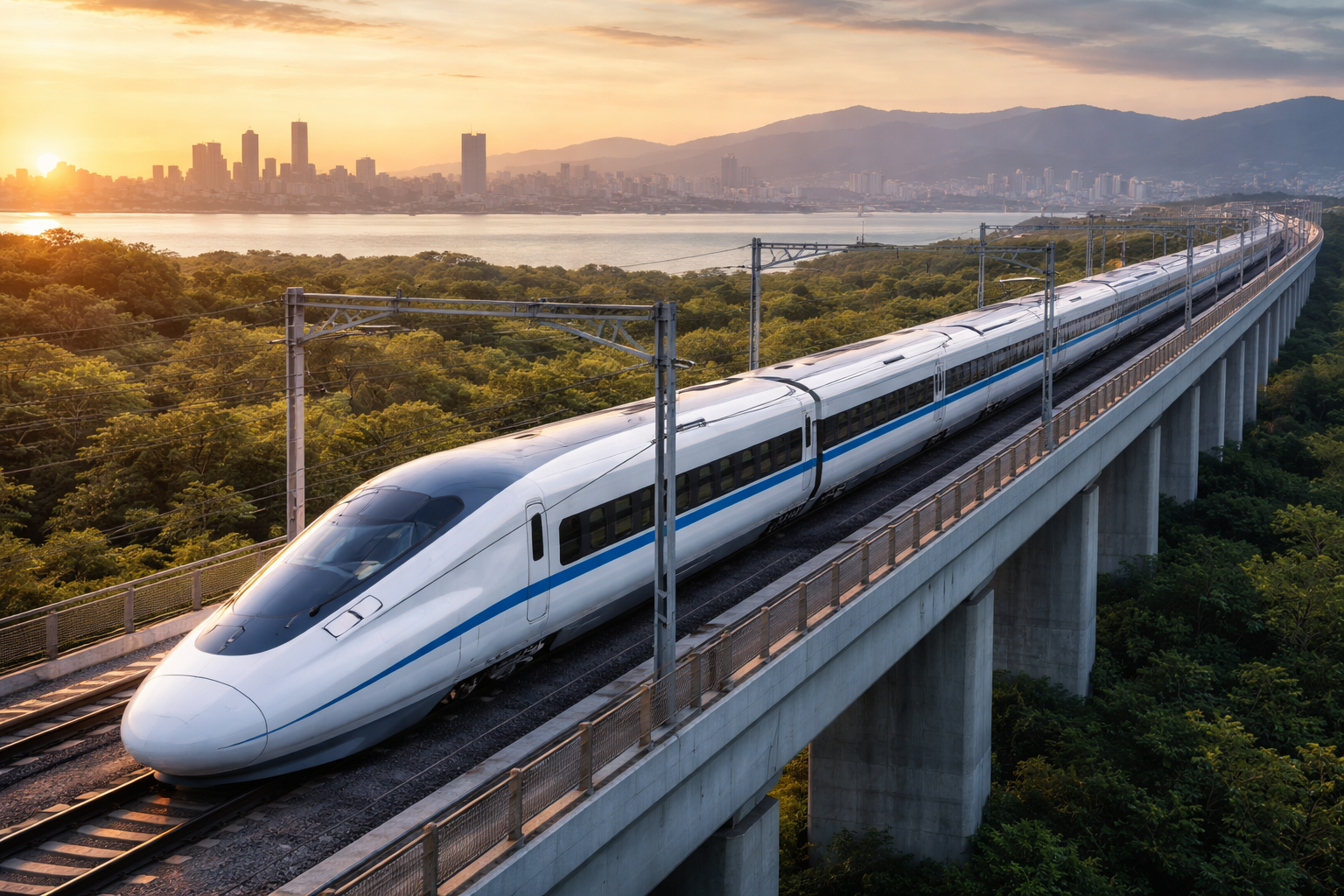
Mumbai to Pune in 48 Minutes: The Future of India’s Bullet Train Expansion is set to transform India’s transport landscape by reducing travel time, boosting economic connectivity, and redefining intercity commuting across major hubs.
Article by: Rupesh Kumar Singh Follow Me
India is on the brink of a transformative shift in its transportation ecosystem. With ambitious plans to expand its high-speed rail network, the country is preparing to enter an era where intercity travel will become faster, more efficient, and economically impactful. At the center of this vision lies the proposed Mumbai Pune bullet train corridor, which aims to reduce travel time between the two cities to just 48 minutes. This development is not merely about speed it represents a strategic push toward economic integration and infrastructure modernization.
The Vision of High-Speed Rail in India
India’s bullet train initiative is part of a broader infrastructure strategy aimed at connecting major economic hubs through high-speed corridors. The government has proposed multiple new routes that would link cities such as Mumbai, Pune, Hyderabad, Bengaluru, Chennai, Delhi, and Varanasi.
The long-term objective is clear: to create a seamless high-speed rail network that reduces dependency on congested roadways and overburdened air travel while boosting regional economic growth. This network is expected to play a crucial role in positioning India as a globally competitive economy with world-class infrastructure.
Mumbai Pune Corridor: A Game-Changer
The Mumbai Pune route is one of the busiest and most economically significant corridors in India. Currently, travel between the two cities takes approximately 3 to 4 hours by road or conventional rail, often affected by traffic congestion and delays.
The proposed bullet train aims to cut this travel time down to just 48 minutes. This drastic reduction is expected to redefine commuting patterns. Professionals could potentially live in one city and work in another, leading to the emergence of a unified economic zone.
From a technical standpoint, the high-speed train is expected to operate at speeds of 300–350 km/h on a dedicated track, ensuring minimal interference and maximum efficiency.
Pune Hyderabad Corridor: Strengthening Tech and Industrial Links
Another critical segment of the proposed expansion is the Pune Hyderabad corridor. This route is expected to reduce travel time from the current 8–9 hours to approximately 2 hours.
Both Pune and Hyderabad are major IT and industrial hubs. Faster connectivity between them would facilitate business collaboration, talent mobility, and investment opportunities. This corridor could significantly enhance the productivity and competitiveness of India’s technology sector.
Economic and Social Impact
The introduction of high-speed rail corridors is expected to have far-reaching economic and social implications:
1. Economic Integration:
Faster connectivity will enable better coordination between cities, boosting trade, commerce, and industrial growth.
2. Real Estate Growth:
Regions along the corridors are likely to witness a surge in real estate development due to improved accessibility.
3. Job Creation:
Infrastructure projects of this scale generate employment during both construction and operational phases.
4. Reduced Travel Stress:
Shorter travel times will improve quality of life, especially for frequent commuters.
5. Environmental Benefits:
High-speed rail is more energy-efficient compared to air and road transport, contributing to reduced carbon emissions.
Challenges and Ground Reality
Despite the ambitious vision, it is important to note that most of these projects, including the Mumbai Pune corridor, are still in the proposal or planning stage. Detailed project reports, land acquisition, funding arrangements, and environmental clearances are yet to be finalized.
High-speed rail projects require massive capital investment and long gestation periods. The ongoing Mumbai Ahmedabad bullet train project, which is currently under construction, highlights both the potential and the challenges associated with such initiatives.
Strategic Importance for India
The expansion of bullet train corridors is not just about transportation it is a strategic move to reshape India’s economic geography. By connecting major urban centers with high-speed networks, the country aims to create integrated economic zones that can compete on a global scale.
This aligns with India’s broader goals of infrastructure-led growth, urbanization, and digital transformation. Efficient transport systems are a key enabler of these objectives.
Conclusion
The idea of traveling from Mumbai to Pune in just 48 minutes symbolizes a future where distance is no longer a barrier to opportunity. While the project is still in its early stages, its potential impact on India’s economy, society, and infrastructure is immense.
If successfully implemented, the high-speed rail expansion could mark the beginning of a new era in Indian transportation one defined by speed, efficiency, and connectivity. However, the realization of this vision will depend on timely execution, robust planning, and sustained investment.


