


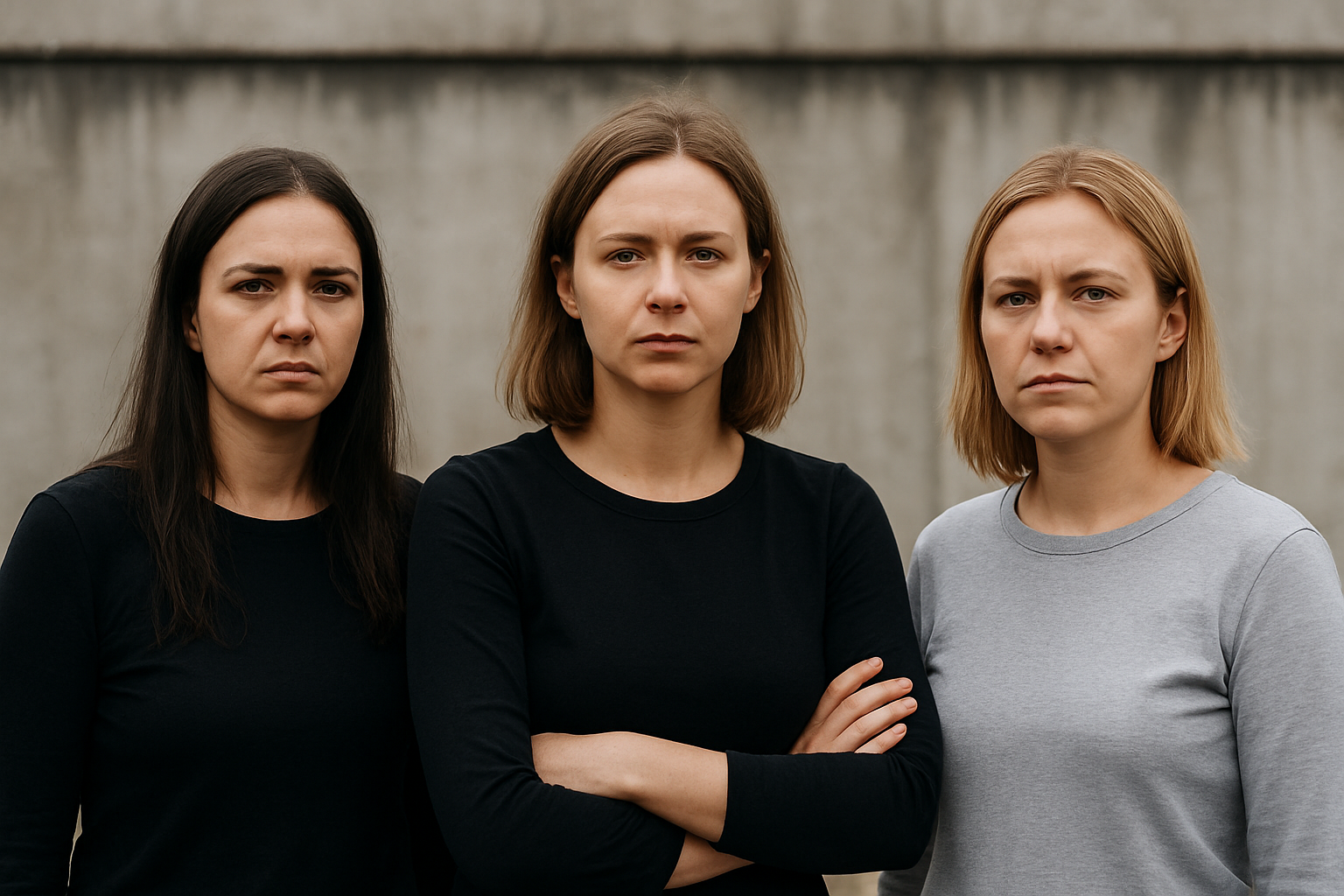
Women Political Prisoners in Belarus highlight the deepening human rights crisis, exposing systemic oppression, silencing dissent, and testing international responses to authoritarian control.
Exclusive Written by: Rupesh Kumar Singh
The situation of Women Political Prisoners in Belarus has become a defining aspect of the country’s human rights crisis. In recent years, Belarus, under the leadership of Alexander Lukashenko, has intensified political repression, targeting activists, opposition leaders, journalists, and even ordinary citizens who dare to question the government. What makes this case especially alarming is the treatment of women, many of whom are at the forefront of the struggle for democracy but are disproportionately punished for their courage.
This article analyzes how gender plays a critical role in state repression, why women’s imprisonment has global resonance, and what the international community’s response reveals about the struggle for human dignity in authoritarian regimes.
The Context of Political Repression in Belarus
Since the disputed 2020 presidential election, Belarus has witnessed mass protests calling for democracy and an end to Lukashenko’s decades-long rule. These protests were led in large part by women, including prominent figures such as Sviatlana Tsikhanouskaya, Maria Kolesnikova, and Veronika Tsepkalo. Their visibility inspired thousands of others, particularly women, to participate in street demonstrations and community organizing.
However, the government’s response has been brutal. Thousands have been detained, tortured, or forced into exile. Among them are dozens of Women Political Prisoners in Belarus who face harsh prison conditions, lack of medical care, and constant psychological intimidation.
Gendered Dimensions of State Repression
It is not coincidental that women have been specifically targeted. Authoritarian regimes often view women leaders as doubly threatening: not only do they challenge political power, but they also undermine patriarchal expectations of women’s social roles.
For instance, female activists in Belarus have reported humiliation tactics during detention, including threats of sexual violence, gendered insults, and deliberate isolation. These actions are meant to break their spirit and discourage other women from joining opposition movements. The state, in effect, weaponizes gender to reinforce both political and social control.
The courage of these women, however, sends a powerful counter-message: that resistance is not confined to one gender and that the struggle for freedom includes everyone.
International Human Rights Perspective
The plight of Women Political Prisoners in Belarus has not gone unnoticed by the international community. Human rights organizations such as Amnesty International and Human Rights Watch have consistently documented violations and called for accountability. The European Union and the United States have imposed sanctions on Belarusian officials responsible for the crackdown.
Still, questions remain about the effectiveness of these measures. Sanctions alone cannot guarantee justice or secure the release of political prisoners. In fact, Lukashenko has doubled down, portraying external criticism as foreign interference and using it to justify further crackdowns.
What becomes clear is that while international pressure raises awareness, it has limited impact unless paired with strategic diplomacy and sustained global advocacy.
Symbolism and Resistance
The stories of Women Political Prisoners in Belarus symbolize more than individual suffering—they represent the broader fight for democracy, gender equality, and human dignity. For example, Maria Kolesnikova’s defiance, refusing to go into exile and instead tearing up her passport at the border, remains a rallying point for Belarusians.
Such acts of resistance have cultural and political significance. They inspire movements across Eastern Europe and beyond, demonstrating that authoritarianism cannot entirely erase the human desire for freedom. Women’s leadership in Belarus challenges the stereotype of passive victims and instead highlights agency, resilience, and courage.
Global Lessons on Authoritarianism
The repression in Belarus offers broader lessons for the world. First, it reveals how authoritarian governments use imprisonment not just to silence individuals but to deter entire populations. Second, it shows that gender is not neutral in political struggles—women activists often face additional layers of oppression.
The experience of Women Political Prisoners in Belarus also underlines the importance of solidarity. Democratic nations, NGOs, and civil society movements must continue amplifying these stories to prevent authoritarian regimes from hiding abuses behind closed borders.
Moreover, the situation serves as a warning for the global community: silence or weak responses embolden repressive leaders elsewhere. Authoritarianism thrives when unchecked, and Belarus is a stark example of how quickly rights can erode when power remains concentrated in one regime.
The Way Forward
Addressing the crisis requires a multipronged approach. Domestically, underground networks of activists continue to support prisoners’ families, raise funds, and keep public attention alive. Internationally, diplomatic initiatives must go beyond sanctions, including negotiations, international tribunals, and alliances that isolate repressive governments.
Equally important is gender-sensitive advocacy. Highlighting the particular challenges faced by women—ranging from prison abuse to threats against their families—helps build a stronger case for urgent action. It reminds the world that this is not only a political struggle but also a fundamental human rights and gender equality issue.
READ MORE: TMC Opts Out of JPC: Opposition Unity at Risk?
Conclusion
The crisis of Women Political Prisoners in Belarus stands as one of the most pressing human rights issues of our time. Their suffering reflects the cruelty of authoritarian governance, but their resilience demonstrates the enduring spirit of human freedom.
By recognizing the gendered nature of repression, amplifying these women’s voices, and demanding accountability, the international community can turn solidarity into meaningful action. Ultimately, the fate of these women is not just about Belarus—it is about the global defense of human rights and the universal fight against tyranny.


